Key points
1Jesus feeds the crowd out of compassion, not because they understood who He was
Pastor Mat retells how Jesus, tired and wanting to get away with His disciples, has compassion on the crowd and multiplies a boy's bread and fish to feed thousands. A day and a half later the same crowd tracks Jesus down not because they grasped the miracle's meaning but because they wanted to be fed again.
2Jesus redirects them from perishable food to the eternal life only He can give
Working through John 6:27-29, Pastor Mat shows Jesus telling the crowd to stop spending their energy on food that runs out and instead seek the eternal life the Son of Man offers. When they ask what work God requires, Jesus answers that the only work is to believe in the One He sent.
3We instinctively think we have to do something to earn what God gives freely
Pastor Mat uses the picture of Queen Creek's hardworking families and homes bought through years of labor to show why the crowd's mindset makes sense to us: everything worthwhile costs something. He shares his own bargaining prayers with God before he was saved, promising obedience only if God would first come through, to illustrate this deal-making instinct.
A story from life
Pastor Matt recounts a six-hour conversation with a man named Mark at Denny's in Snowflake who heard the gospel and walked away
4The crowd demands a sign like Moses' manna instead of accepting Jesus as the true bread
Pastor Mat walks through John 6:30-35, where the crowd asks for a miraculous sign and recalls Moses giving their ancestors manna in the wilderness. Jesus clarifies that His Father, not Moses, gave that bread, and now offers Himself as the true, living bread from heaven who satisfies forever.
there's nothing that you can do to be okay with God, nothing
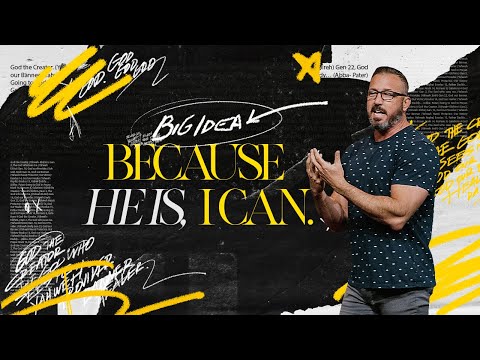
It's about what's already been done for you
A story from life
Pastor Matt recalls bargaining with God in a Chandler driveway — beer in hand, Bible being read — before finally stepping into church
5No one can come to Jesus unless the Father draws them, and that drawing is the real miracle
When the crowd murmurs and questions how Jesus could claim to come from heaven, Jesus tells them no one can come to Him unless the Father draws them. Pastor Mat says this drawing is happening quietly in hearts right now, breaking down stony places, and that this inward miracle is bigger than any burning bush.
for nobody can come to me unless the father, here's the key, who sent me draws them to me
6Jesus' body would be broken so that whoever believes may live forever
Moving toward communion, Pastor Mat unpacks John 6:47-51, where Jesus declares Himself the living bread whose flesh He will give for the life of the world. He describes this as the Father's love taking the consequence of our sin so we never have to.
7Many disciples turned away because they didn't truly believe, but Peter shows the only right response
Pastor Mat reads John 6:60-69, where many disciples find Jesus' words too hard and desert Him, while Peter answers that there is nowhere else to go because Jesus alone has the words of eternal life. He contrasts this with Jesus' warning in Matthew 7 about people who did religious things without ever knowing Him.
Paraphrase
Lord, to whom would we go? You have the words that give eternal life.
It's what you believe about Jesus is literally the single most important thing
we all come to Jesus the same way, no matter what the trail is behind us
Application
Pastor Mat's whole appeal comes down to one move: stop trying to earn it, and just believe.
Stop bargaining with God
If you've been telling God you'll obey once He answers a prayer or gives you the job, the marriage, or the girl, let go of the deal-making and simply believe in Jesus now.
Believe in the One He sent
The only work God asks is belief in Jesus as the bread of life; stop looking for a sign or a burning-bush moment and receive what He has already done.
Pray to receive Jesus if you haven't
If God has been tugging on your heart, quietly pray in the silence of your own heart, asking Jesus to rescue and save you, and raise your hand so others can pray for you.
Deal with what's between you and the Lord before communion
Believers are asked to search their hearts for anything the Lord has been pushing them to address before taking the bread and cup in remembrance of Christ.
Take it into your week
Rewind AI contributed study material from the sermon transcript; church-authored wording and verified sermon quotes keep their own source. Always trust the sermon itself over anything here. How Rewind uses AI