Topic
Repentance
Rock Point Church · all sermons

Burdens & Blessings | Week 2 | Sermon
Rewind AIJesus doesn't just save us from sin, He saves us for a mission. When we fail, as we all do, the path back isn't just feeling bad — it's acknowledging our failure, accepting God's restoration, and activating the purpose He's called us to.
COUNTER CULTURE | Week 1 | Full Service
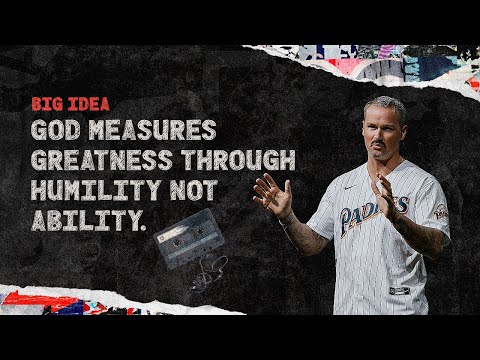
Rewind AIJesus offers a completely upside-down definition of greatness than the one the world hands us. Instead of ability, achievement, and status, God measures greatness by humility — the kind of childlike repentance that stays connected to Him no matter how badly we've messed up.

HOW GOD GIVES NEW IDENTITY | Sermon
Rewind AIFollowing Jesus is not a free pass to keep doing what you want with God's blessing added on — it costs everything, starting with how you think. Instead of starting decisions with "what do I want" and building an identity on fickle things like beauty, relationships, or money, Christians are invited to start with who they are in Christ and let that new, secure identity reshape their thinking, choices, and eventually even their desires.

GOD MAN KING | Week 2 | Sermon
Rewind AIJesus was baptized not because He needed to repent, but as a humble act of commitment and identification with God's plan and with us, showing us how to trust and follow. Our baptism mirrors that same humility, commitment, and identification — it's not something we do to earn God's love, but the first step we take after His love has already found us.

Deserts | Week 5 | Sermon
Rewind AIGod is not mumbling in some mystical code that only super-spiritual people can decode — He wants to be heard, and He speaks primarily and clearly through His Word. Using the strange story of Balaam and his talking donkey, Pastor Daniel shows that when we ignore what God has already made clear, God will lovingly frustrate our path to get our attention, and the way back is humility, forgiveness, and repentance.

SEVEN LETTERS | Week 4 | Sermon
Rewind AIJesus warned the wealthy, comfortable church in Sardis that it looked alive but was actually dead. Pastor Daniel shows that comfort and safety, not persecution or heresy, are what quietly kill faith — and calls the church to trade the goal of merely surviving for the goal of revival: waking up, facing reality, and living a life of repentance.

SEVEN LETTERS | Week 3 | Sermon
Rewind AIOur walk with Christ is not won or lost in one dramatic moment but in small, steady steps taken day after day. The church of Pergamum shows how tolerating small compromises can gradually erode a whole community's witness, but Jesus calls His people to repent and return, promising life and a place with Him for those who remain faithful.

Ezekiel | Week 7 | Bill Bush | Full Service
Rewind AIGod's rule for His house — now His people, not a building — is absolute holiness, and that could crush us except that in Christ we've already been declared holy. So the Christian life isn't earning that status but running the race of actually living it out: shedding what weighs us down, turning from sin, and enduring by keeping our eyes fixed on Jesus, who endured the cross for the joy of having us.

Ezekiel | Week 3 | Bill Bush | Full Service
Rewind AIGod offers hope even in judgment: He scatters to discipline those who are His and destroys those who refuse Him, but His intent is always to gather His people back and give them a new heart. That new heart comes only through looking to Jesus, lifted up like the bronze serpent, who died and rose so we could be born again.

Ezekiel | Week 2 | Bill Bush | Full Service
Rewind AIGod's discipline, even when it looks harsh, flows from His faithful, jealous love for His people. Rather than trying to get God on our side by going through religious motions, we're called to get on His side — surrendering, repenting, and trusting His wisdom over our own desires.

Easter At Rock Point 2022 | Bill Bush
Rewind AIEaster is not about showing up, feeling better, or being a good person — it's about a relationship with Jesus, the only way to be made right with God. Because we are rebels, not just mistakers, God Himself paid the price we couldn't pay, and He is inviting every person here to stop running and accept His love.

We Need a Little Christmas | Week 2 | Daniel Goulding
Rewind AIThe good news is that God offers mercy to people who have no hope of earning their way to Him. Romans 2 shows that religious, "good" people are just as condemned before a holy God as anyone else, because heaven requires perfection, not goodness. Our only hope is not behaving better but believing in Jesus, who satisfied God's justice in our place.
Powered by Rewind · make your church's Rewind → (opens in a new tab)