Key points
1Emotional healing, like physical health, is not measured by how we feel
Pastor Bill opens with his own reluctance to go to the doctor, noting you can feel fine and still be dying from something. He applies the same logic to emotional health: feeling good in the moment doesn't mean we're actually healed, and feeling bad doesn't mean we're not making progress.
2Psalm 23:3 shows God restores our soul by guiding us on a well-worn path of righteousness, for His own name's sake
Pastor Bill unpacks the Hebrew word for path as a well-worn rut, the only safe route a shepherd knows leads to food and life. He notes the verse ends with 'for His name's sake,' meaning God's commitment to restore us rests on who He is, not on our performance.
3David's affair with Bathsheba and the murder of Uriah left him emotionally shattered by his own sin
Pastor Bill retells the story from 2 Samuel 11-12: David neglects his duty, sleeps with Bathsheba, and then arranges for her husband Uriah's death in battle to cover it up. He stresses this was worse than most sins we imagine, yet David is still called a man after God's own heart because of how he responded afterward.
4Step one: accept what can't be changed, starting with letting God remove our guilt
Pastor Bill shows how David prayed and fasted for his dying child but, once the child died, got up, worshiped, and ate rather than staying stuck. He lists the ways we avoid dealing with guilt instead of taking it to God — denying it, minimizing it, compromising it, rationalizing it, blaming others, or punishing ourselves — and reads Psalm 51 as David's model prayer of confession.
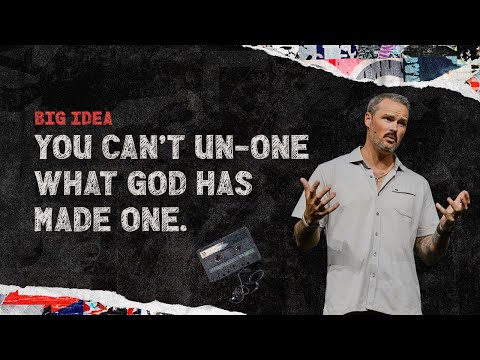
sometimes when you want to feel better, you should never do the thing that makes you feel better
When you say I can't forgive yourself, what you're really saying is, I refuse to believe God
5Step two: let God replace grudges by releasing resentment through forgiveness
Pastor Bill explains that forgiveness only takes one person while reconciliation takes two, so releasing a grudge doesn't mean excusing the other person or reconciling with them. He suggests praying for the person who hurt you as a practical way to let go, since holding resentment only keeps hurting yourself, not them.
your past might describe you, but it doesn't have to define you
You see, forgiveness takes one, reconciliation takes two
6Step three: worship in the valleys, not just the victories
Pastor Bill points out that David worshiped God immediately after receiving a hard no, not after getting what he wanted. He argues that worshiping only when life goes well makes worship about our own comfort rather than God's glory, and that worship in hard seasons is what actually restores the soul.
7Step four: focus on moving forward, not staring backward
Pastor Bill notes David comforted Bathsheba and moved ahead into the relationship rather than staying fixed on what he'd lost, and that relationship eventually produced Solomon, the next king. He ties this to Romans 8:28, clarifying God doesn't call bad things good but can work them together for good for those who love Him and are called according to His purpose.
don't let your mourning turn into moaning
A story from life
Pastor Bill's father, a decorated combat veteran, held off approximately a thousand soldiers for five minutes in the Korean War to allow his squad to evacuate classified equipment, saving all twelve men's lives — as recounted by a surviving soldier who contacted Pastor Bill.
Application
Pastor Bill frames the charge as turning to face your own 'thousand men' instead of running from them for another five minutes of your life.
Take your guilt to God instead of managing it yourself
Stop denying, minimizing, compromising, rationalizing, blaming, or punishing yourself over sin. Pray through Psalm 51 in your own words this week and let God, not yourself, remove the guilt.
Release a grudge by praying for the person
If someone has hurt you, let go of the resentment by praying for them rather than stewing over them — remembering forgiveness only requires you, not the other person's response.
Worship God in your hard season, not just your wins
When you get a no from God, choose to worship anyway instead of waiting until life feels good, since worshiping only in victory makes it about your comfort, not His glory.
Focus on what's left, not what's lost
Like David turning toward Bathsheba after losing his child, look through the windshield instead of the rearview mirror and invest in the relationships and opportunities still in front of you.
Take it into your week
Rewind AI contributed study material from the sermon transcript; church-authored wording and verified sermon quotes keep their own source. Always trust the sermon itself over anything here. How Rewind uses AI