Topic
Forgiveness
Rock Point Church · all sermons

Love Defined | Week 1
Rewind AIGod's love for us isn't a feeling He has but the very definition of love itself — a willed, sacrificial commitment shown fully in Jesus dying for our sin. When we truly receive that love instead of living in fear of punishment, it naturally overflows into how we love, give to, and sacrifice for one another.

Vitals | Week 4 | Full Service
Rewind AIGod wants us whole, not just mentally or physically healthy but emotionally healthy too. Emotions are indicator lights meant to alert us to something going on inside, not a GPS meant to guide our decisions, and real emotional health comes from facing our feelings, filtering them through God's word and God's people, and then following wisdom rather than our whims, wants, or wounds.
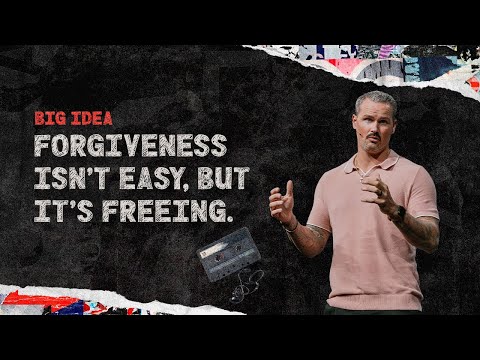
COUNTER CULTURE | Week 2 | Sermon
Rewind AIJesus calls His followers to forgive not a set number of times but without limit, because forgiveness is the path to real freedom. It won't feel fair or come naturally, but when we remember the crushing debt God has already forgiven us, we find the faith to release what others owe us, and it is us, not them, who walks free.

Love Is | Week 3 | Full Service
Rewind AILove, as 1 Corinthians 13 describes it, keeps no record of wrongs — it doesn't keep score. Forgiveness feels unfair and hard, but Jesus shows in the parable of the unforgiving servant that it's actually the only way out of the prison we build for ourselves when we hold onto hurt. Because we've been forgiven an impossible debt, we're freed to let go of what's been done to us and ride toward what Jesus has already done for us.

Ezekiel | Week 7 | Bill Bush | Full Service
Rewind AIGod's rule for His house — now His people, not a building — is absolute holiness, and that could crush us except that in Christ we've already been declared holy. So the Christian life isn't earning that status but running the race of actually living it out: shedding what weighs us down, turning from sin, and enduring by keeping our eyes fixed on Jesus, who endured the cross for the joy of having us.
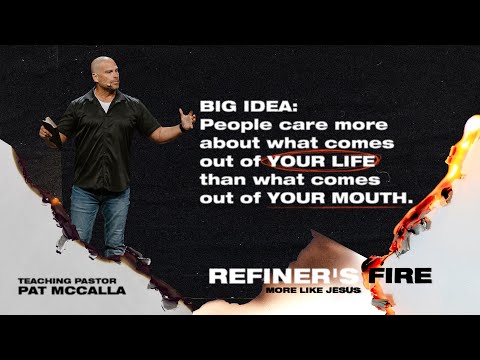
Refiner's Fire | Week 6 | Pat McCalla
Rewind AIJesus told His disciples the world would know they were His followers not by their theology, power, or purity, but by their love. Peter, thirty years later, writes to persecuted believers to explain what that love actually looks like in practice, giving six ingredients that combat conflict and let a watching world see a different kind of kingdom.

Hidden Treasure | Part 7
Rewind AIGod's very first instinct toward us is love, grace, mercy, and forgiveness, not condemnation. Because Jesus has canceled a debt we could never repay ourselves, He calls His followers not merely to forgive occasionally, but to be forgiving people — releasing our hurts to Him rather than staying chained to the past.

Grace | Week 1
Rewind AIGrace can feel as awkward as an unwanted hug, but it's the truest thing about us: we were sons and daughters before we ever sinned. Because God's love has never been circumstantial, our story doesn't start at our worst moment, and coming home to Him leads not to condemnation but to celebration.
Powered by Rewind · make your church's Rewind → (opens in a new tab)