Key points
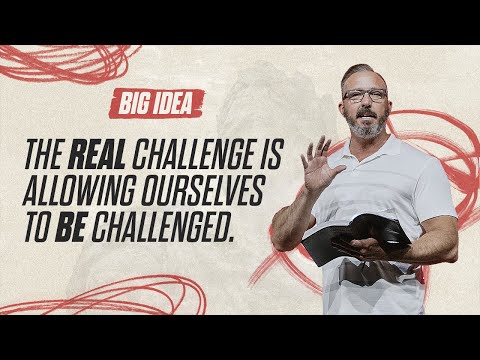
1The real challenge is allowing ourselves to be challenged
Pastor Bill opens with a story about his church's leadership retreat where he invited his team to air grievances about him, and discovered that even though he set up the system, following through when it got personal was far harder than he expected. He names this as the theme of the whole series on accountability: systems don't guarantee anything, you have to be humble enough to allow it.
2Saul looked willing to be challenged but couldn't sustain it
Walking through 1 Samuel 19, Jonathan confronts his father Saul about wanting to kill David, and Saul initially vows David won't be killed. But the moment it becomes hard again, Saul hurls a spear at David, showing his agreement only lasted until it hurt.
The real challenge is allowing ourselves to be challenged
Accountability systems don't guarantee anything
You have to be humble enough to allow it
3Four qualities are required for accountability to actually change us
Pastor Bill names availability (being accessible and interruptible), honesty (committed to truth even when it hurts), vulnerability (able to admit mistakes and sin), and teachability (quick to listen, willing to respond). He shows Saul had availability but lacked the other three, which is why being challenged never produced change in him.
4David modeled what it looks like to accept a hard truth in the moment it hurts
In 2 Samuel 19, Joab confronts David for mourning Absalom instead of honoring the troops who risked everything for him. Even though Joab had killed David's son, David absorbs the rebuke and goes out to the gate to meet his people, showing he was available, honest, vulnerable, and teachable even in the middle of deep grief.
5We deflect accountability by attacking the who instead of the what
Pastor Bill describes four common reactions to being challenged: no, why, who, and how. He spends most time on who, showing how we disqualify the truth of what someone says by judging who they are or listing their faults, comparing it to two kids calling each other stupid, and says pride and fear are the two forces driving us to do this.
6Three proverbs explain why we need this kind of accountability
Using Proverbs 27:17, Proverbs 15:31-33, and Proverbs 27:5-6, Pastor Bill teaches that friends sharpen us so we see the fuller picture we're blind to on our own, that humility precedes honor and keeps us from stumbling, and that an open rebuke from a sincere friend is worth more than empty flattery.
7Real community holds you accountable rather than just taking your side
Pastor Bill warns that many small groups only offer allies who tell you what you want to hear about your spouse or struggles, rather than sincere friends willing to challenge you. He urges people to evaluate their home groups honestly and become the kind of community that gives wounds from a sincere friend rather than the many kisses of an enemy.
Wounds from a sincere friend are better than the many kisses from an enemy
Don't say I agree with truth until it hurts
feelings are real, but they're not always right
A story from life
Within 24 hours of inviting his team to call him out, a team member named Josh raised his hand mid-meeting to tell the preacher he was doing the very thing he had promised to stop
A story from life
The preacher describes planning and running a 'airing of the grievances' session at a lead-team retreat, where he volunteered to go first and was unexpectedly confronted with a blind spot about his own behavior
Application
Pastor Bill's charge is that challenging our challenges is very tough, but allowing ourselves to be challenged is the whole point.
Embrace truth when it hurts, not until it hurts
Don't just agree with correction in theory — accept it in the actual moment it costs you something, the way David did with Joab.
Stop attacking the who and deal with the what
When someone challenges you, resist the urge to disqualify them by their faults or history; ask 'how do we fix this' instead of building a defensive list.
Evaluate your home group honestly
Talk with your group this week about whether you're really practicing open rebuke from sincere friends or just trading comfortable kisses that avoid anything tough.
Give people permission to interrupt and correct you
Like Pastor Bill did with his team, invite the people close to you to name your blind spots, and then actually let them do it when the moment comes.
Choose humility over pride and fear
Recognize that pride and fear are what push you to defend yourself instead of listening; ask God for the humility to accept correction rather than making excuses.
Take it into your week
Rewind AI contributed study material from the sermon transcript; church-authored wording and verified sermon quotes keep their own source. Always trust the sermon itself over anything here. How Rewind uses AI