Key points
1Real friendship is forged in adversity, not comfort
Pastor Bill opens with a chaotic story from his youth pastor days — a broken-down bus, a friend pouring gas into an engine to keep it running, and a fire that sent people diving off the road — to admit he stayed silent when he should have spoken up. He ties this to the series theme, Proverbs 17:17, that a friend loves at all times and a brother is born for adversity, arguing that combat and crisis simply force people into the kind of honesty real friendship requires.
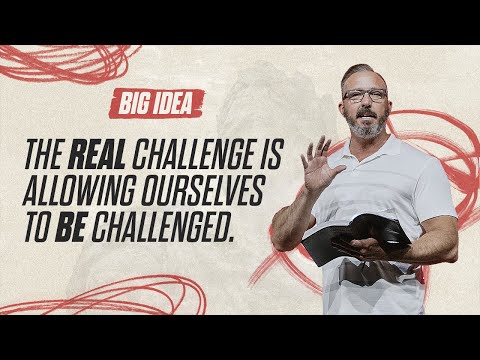
Sometimes it's the encouraging thing, but it's always supposed to be the loving thing
2David and Joab show what a friend willing to say the hard thing looks like
Pastor Bill walks through 2 Samuel, setting up Absalom's rebellion, his death, and David's public grief that shamed the army who had just saved his kingdom. Joab risks everything to walk into the king's room and tell him plainly that his mourning is discouraging the troops and endangering the kingdom, and David actually listens and goes out to rally his men.
3Withholding the hard truth out of comfort makes you an enemy, not a friend
Pastor Bill reads Proverbs 27:5-6 — an open rebuke is better than hidden love, and wounds from a sincere friend beat many kisses from an enemy — to argue that constant encouragement when a hard word is needed is not kindness, it's a kind of betrayal.
If you say encouraging things to a friend when you know you need to say the hard thing, you are acting like their enemy, not their friend
4Saying the hard thing well means saying what they need to hear, in the way and time they need to hear it
He distinguishes being willing to say hard things from being good at it, warning that self-styled 'truth tellers' can just be abrasive. He shares stories about correcting his kids' homework and fights with his wife to show that timing and motive matter — the goal must be the other person's good, not venting or winning.
we should, taste our words before we spit them out
If the only time you say the hard thing is in a mean, vindictive, angry way or passive aggressive, it's become about you
5Invite friends who have permission to speak hard truth into your life
Pastor Bill points to Joab's confidence to walk into David's room as evidence of an established relationship of trust, then applies it to small groups and his own practice of having his creative arts director critique his sermons right after preaching them, even when it stings.
A story from life
The preacher describes inviting his creative arts director Josh to critique each sermon immediately after the first service
6The right word, encouraging or hard, spoken at the right time can become a lifelong statement piece
Reading Proverbs 25:11 in the King James Version, Pastor Bill compares a fitly spoken word to the valuable artwork wealthy homes placed in their entryways, arguing that a well-timed word can define a person's whole life. He closes with his father's counsel — that leaders don't need certainty but must be clear, and that if people don't like your peaches, they don't have to shake your tree — as the statement piece that shaped his own pastoring.
you have to learn that if people don't like your peaches, they don't gotta shake your tree
A story from life
The preacher's late father gave him leadership advice — 'if people don't like your peaches, they don't gotta shake your tree' — that he credits with keeping him in pastoral ministry
Great friends or we've been saying we're buddies, they say the right thing at the right time
A story from life
Youth pastor recounts a dangerous bus breakdown on a mountain road where a friend poured gas into a running engine and it caught fire
Application
Pastor Bill's charge is to ask who is suffering because of your silence, and then to become the kind of friend who says the right thing at the right time.
Ask who is suffering because of your silence
Pastor Bill asks listeners directly whether they have a friend suffering right now because they've stayed quiet, and to name what they need to say.
Say what they need to hear, not what's easy
If you're a natural encourager, be willing to speak the hard truth in love; if you're a natural truth-teller, make sure you're saying it in the right way and at the right time, for their sake, not yours.
Invite hard truth into your own life
Build or lean into friendships and small groups where you give people explicit permission to bring you hard, honest feedback rather than waiting for you to figure it out on your own.
Look for the moment to speak an encouraging word
Don't only default to correction; watch for the right time to give a well-timed encouraging word that could become a lasting statement piece in someone's life.
Take it into your week
Rewind AI contributed study material from the sermon transcript; church-authored wording and verified sermon quotes keep their own source. Always trust the sermon itself over anything here. How Rewind uses AI